Inside a School Outreach: What 300 Students Taught Us
By Anthonia Aniekule · · 5 min read
Notes from our secondary-school campaigns in Rivers State — what students actually ask when adults stop moralising and start listening.
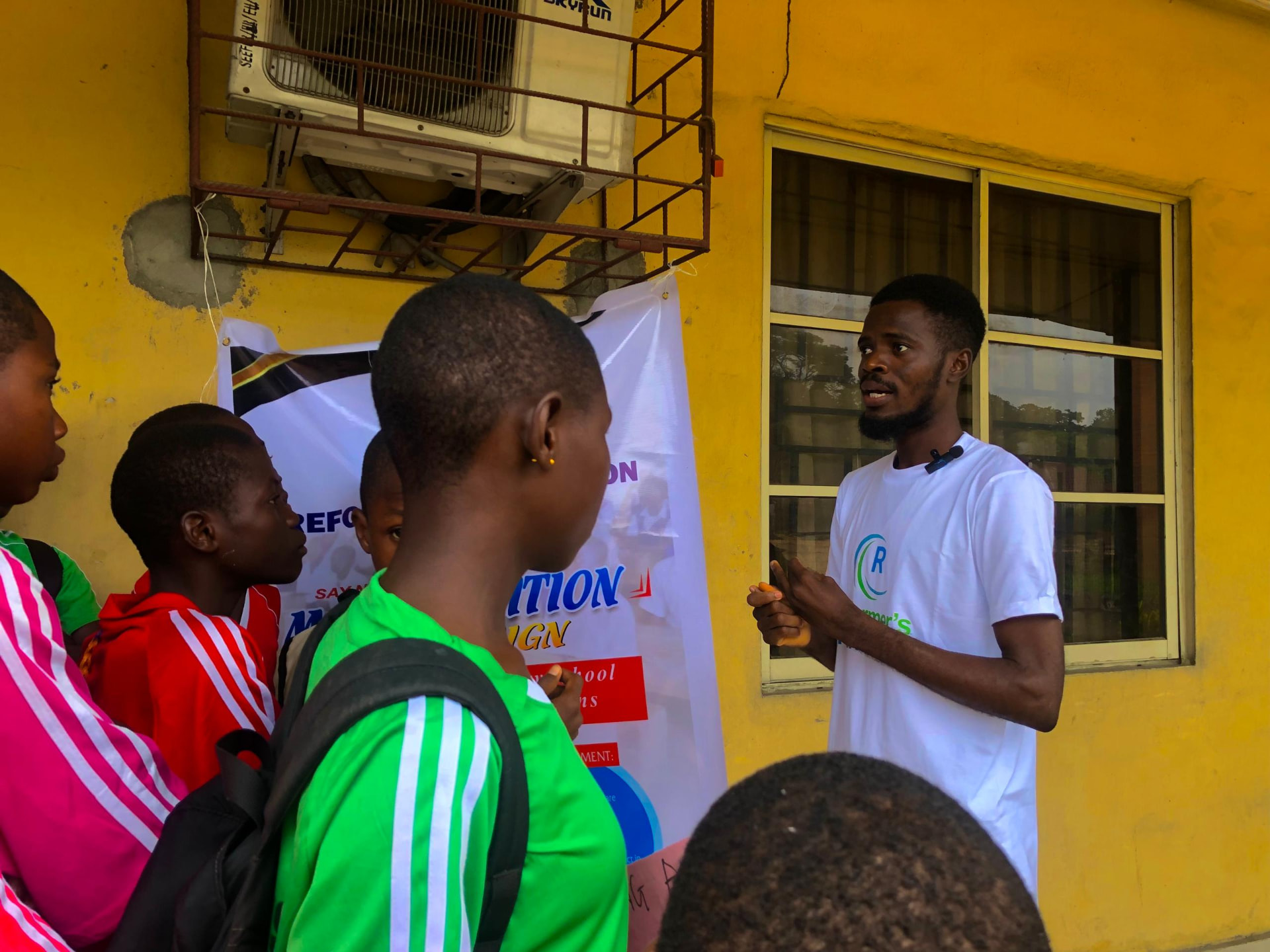
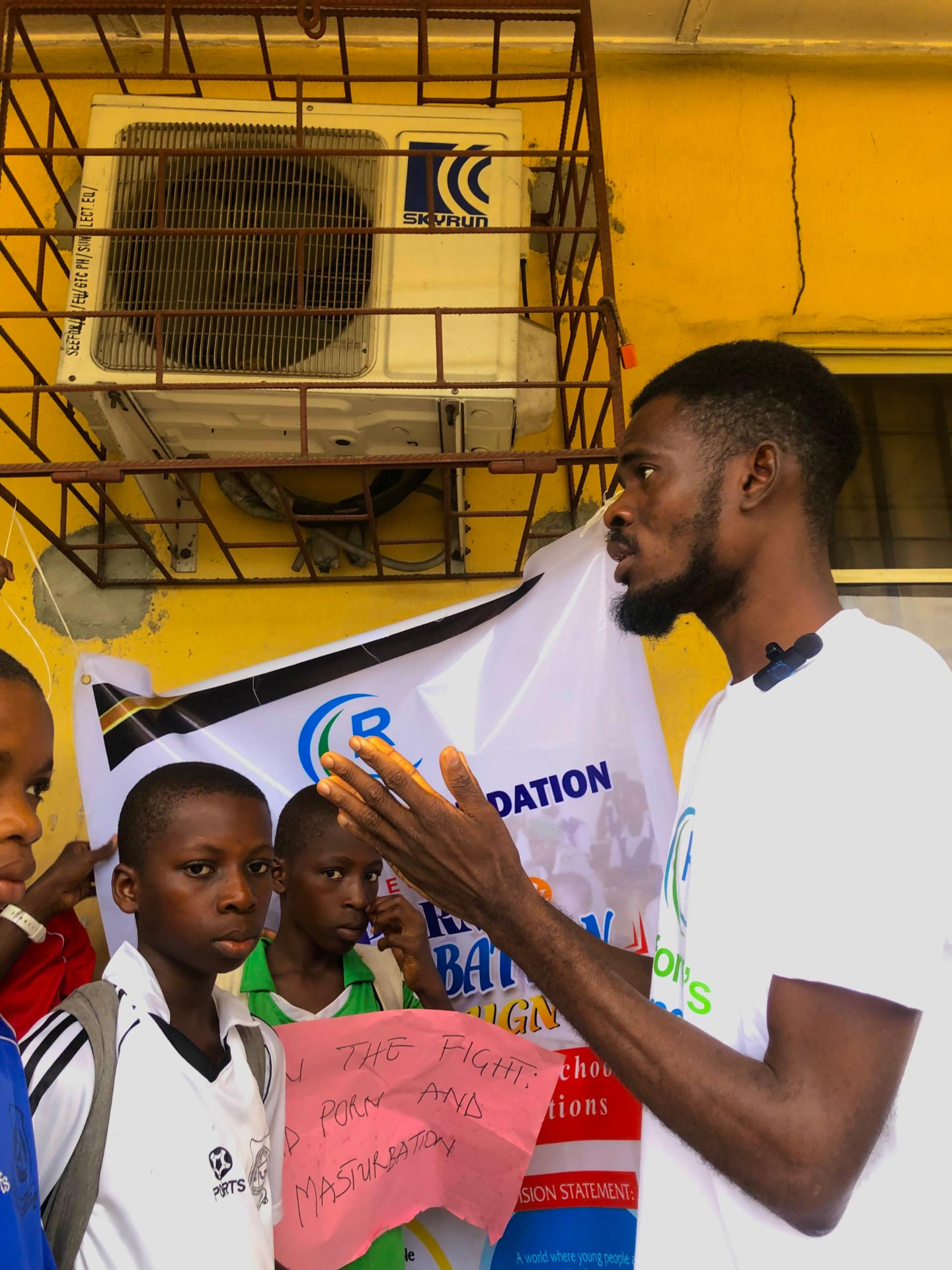
Every outreach begins the same way: a hall of students who expect to be lectured. We open instead with anonymous written questions, and the tone of the room changes within minutes.
The questions repeat
- Is it normal? Am I the only one?
- Can the damage be reversed?
- How do I stop when I have already failed many times?
- Who can I tell without it reaching my parents or my school?
Notice what is missing: nobody asks whether the behaviour is wrong. They already believe it is. What they lack is accurate information and a safe route to help.
What works in a school hall
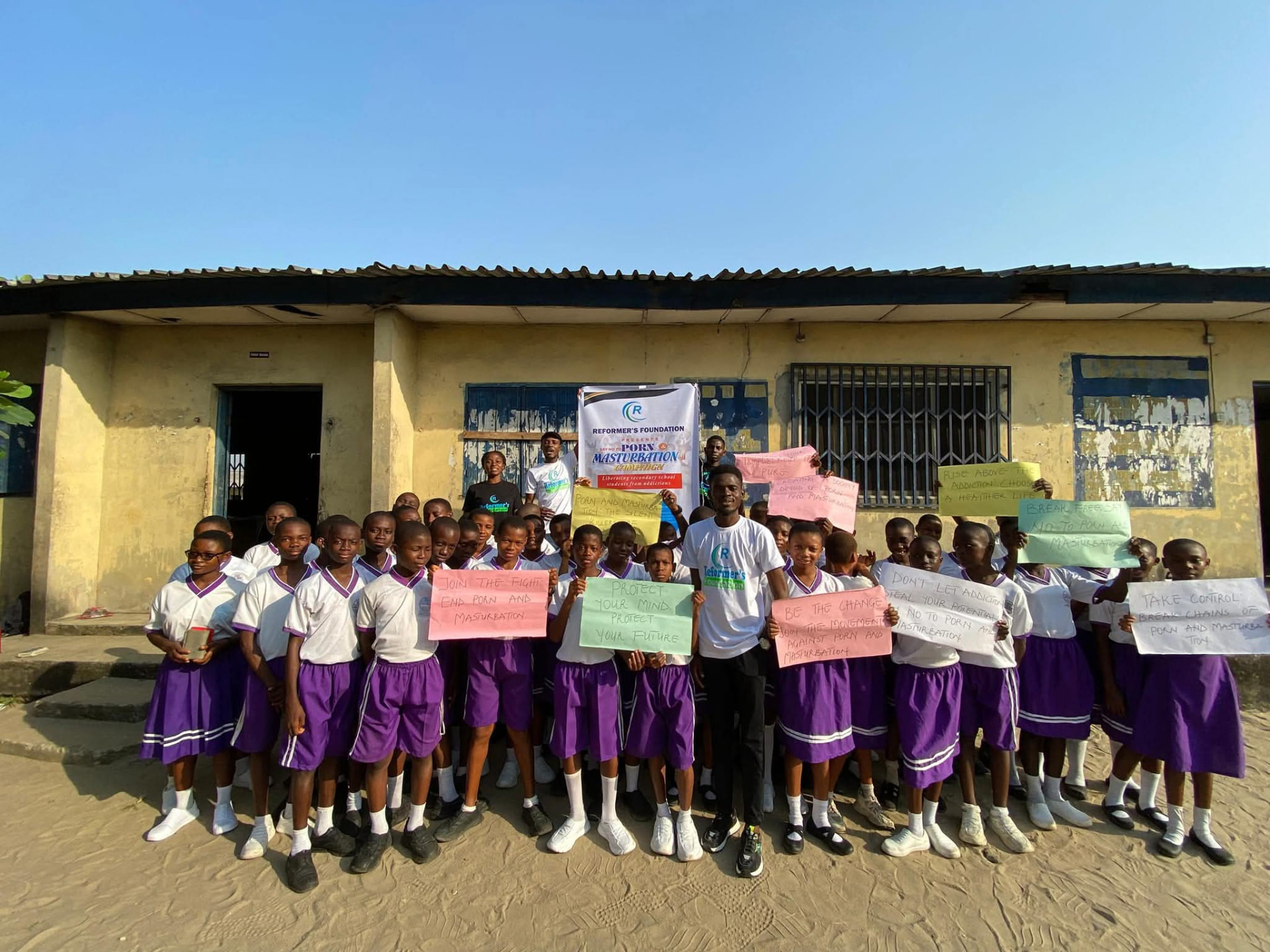
Short, honest sessions with real physiology, peer stories from young people only slightly older than the audience, and a clearly signposted follow-up channel. Placards and campaigns give students permission to talk about it publicly; the private follow-up is where the actual work starts.
What we changed
- We now leave a named contact and a confidential channel at every school.
- We train two teachers per school as first responders rather than relying on one visit.
- We follow up after six weeks instead of treating the event as the outcome.
Across our campaigns we have reached more than 300 young people. The measure we care about is not attendance — it is how many of them come back with a question after the crowd has gone.