
Why Digital Skills Belong in Addiction Recovery Programmes
By Sam'son Saturday · · 4 min read
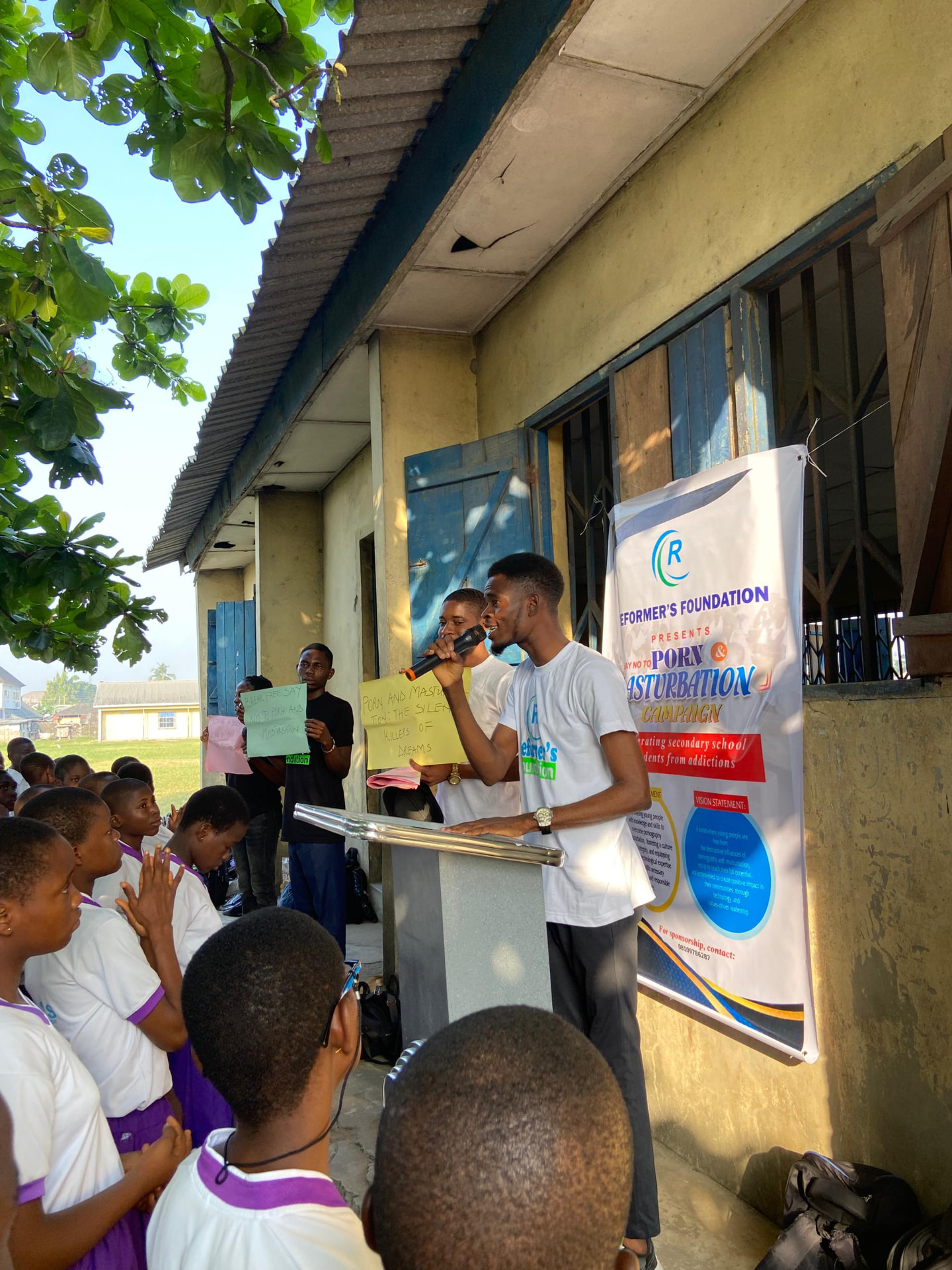
Recovery that stops at abstinence is fragile. Purpose, income and progress are what make change durable — and that is why we teach tech.
When we started, our programme focused only on stopping a behaviour. Participants did well for a few weeks and then drifted. The gap was obvious in hindsight: we had removed something from their day and put nothing in its place.
So we added digital skills training — design, data, basic web development, and freelancing fundamentals. Retention improved immediately, and for a reason that has little to do with technology.
Purpose competes with compulsion
Compulsive behaviour thrives in unstructured, low-meaning time. A course with deadlines, a portfolio to build, and a client to deliver for fills exactly that space with something that pays back.
Progress you can see
Recovery progress is invisible for long stretches. A completed design, a first freelance payment, a working landing page — these are visible wins that rebuild self-belief while the slower internal work continues.
Economic pressure is a relapse risk
- Financial stress is one of the most commonly reported triggers in our check-ins.
- Income reduces dependency and restores agency.
- Employable skills change how a young person is treated at home and in their community.
What this looks like in practice
Participants attend recovery sessions and skills training in the same week, with the same cohort. The peer group that holds them accountable is also the group they build with. Recovery stops being the thing they are doing and becomes part of a life they are building.